
Finch and His Father
All the Bright PlacesThis thread follows Theodore Finch’s experiences of paternal violence, rejection, and the effort to stop treating abuse as his own fault.
increasing Bearing strength in each event
 decreasing
Bearing strength in each eventdecreasingThe Absent Father
The Absent Father
A broken household
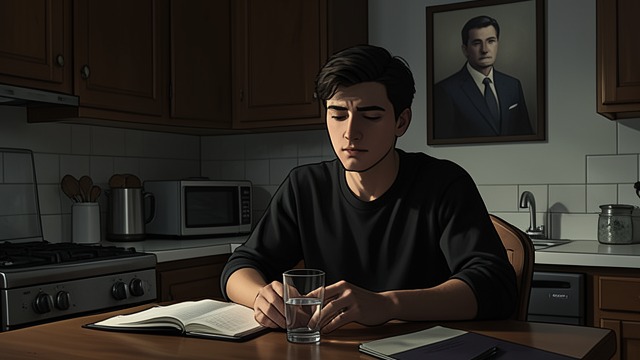
Ted Finch leaves the family after years of instability, returning once before leaving for good. Theodore Finch grows up interpreting the rejection as evidence that he is difficult to love.
A practiced mask
Finch jokes about his father and invents stories to avoid explaining the family history. Humor gives him control over painful conversations, but it also hides how deeply the rejection remains.
The relationship shapes his sense of worth without defining all of who he is.
The Sunday Dinner
The Sunday Dinner
Testing the household
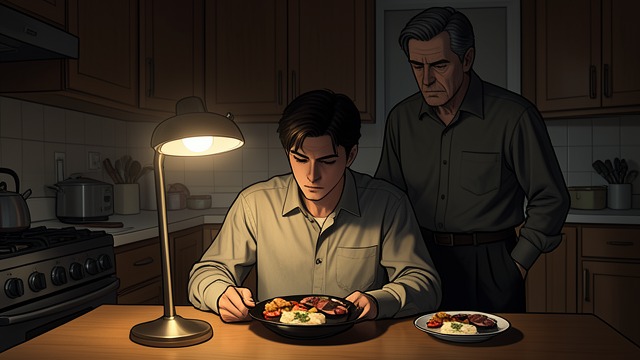
At Ted Finch’s new home, Theodore mocks his father and resists the expected family performance. His jokes challenge the new family arrangement and his father’s authority.
A small refusal
The argument over food reveals how little care Theodore expects from his father. Kate Finch defends him, while he leaves without repairing the relationship.
The dinner shows that estrangement is sustained by ordinary dismissals as well as dramatic violence.
The Assault in the Basement
The Assault in the Basement
Confronting the past
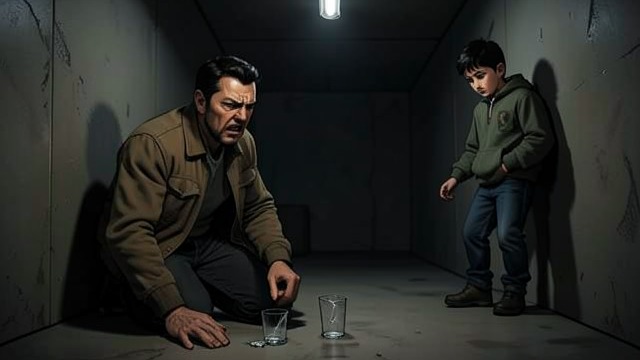
Theodore Finch challenges Ted Finch for neglecting his children during their visit. Ted smashes a bottle and slams Theodore into a wall.
Returning to the table
Theodore leaves the basement, and his father resumes a courteous role in front of his new family. The violence remains unaddressed.
The contrast between private abuse and public normality helps explain why Theodore learned to conceal pain.
The Garage Decision
The Garage Decision
A dangerous pause
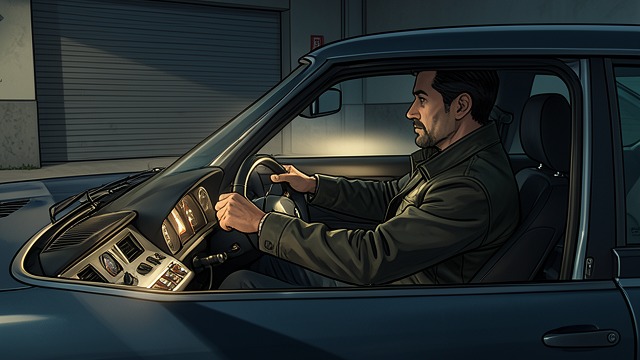
Back at home, Theodore Finch sits in Little Bastard with the garage door closed and considers remaining there as the engine runs.
Choosing to leave
He thinks of Linda Finch, Decca Finch, and Kate Finch, opens the garage, and drives away. The decision is temporary, not proof that the underlying crisis has passed.
The scene shows both the immediacy of his suicidal thoughts and the fragile connections that interrupt them.
A Boundary Against Violence
A Boundary Against Violence
Refusing the old pattern
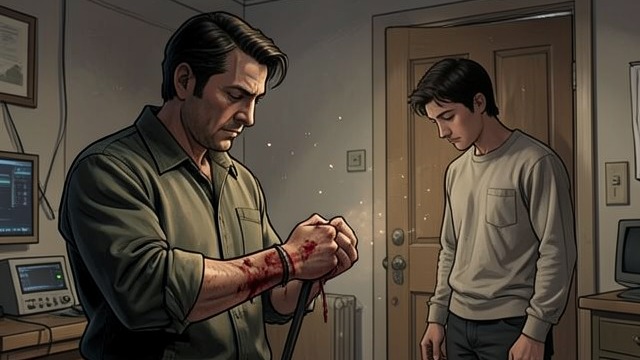
After Violet Markey’s parents discover the overnight stay, Ted Finch comes home angry and hits Theodore. This time Theodore catches his father’s wrist and says it will not happen again.
A limited victory
He apologizes for the worry caused and returns to his room. The confrontation does not heal the family, but it marks a refusal to accept further blows as inevitable.
Finch’s boundary is personal and immediate, not a cure for the wider mental-health crisis.
Before the novel’s opening
Early January
Late January, during a Sunday visit
Immediately after the basement assault
Early February, after the overnight stay
